
DMARC Enforcement: The Missing Layer in Email Security
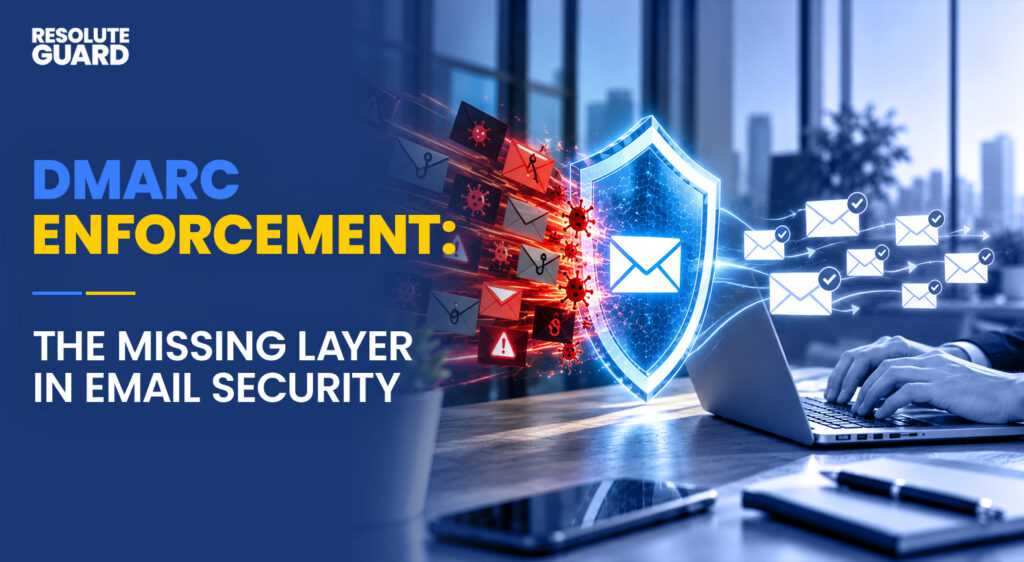
Email remains one of the most trusted business communication channels, which makes it one of the most attractive targets for attackers. A criminal can imitate a familiar domain, copy a brand identity, and send a convincing message that appears legitimate. DMARC Enforcement adds a critical control by telling receiving mail systems what to do when messages claiming to use your domain fail authentication.
Cyber Recovery vs. Cybersecurity: Why You Need Both
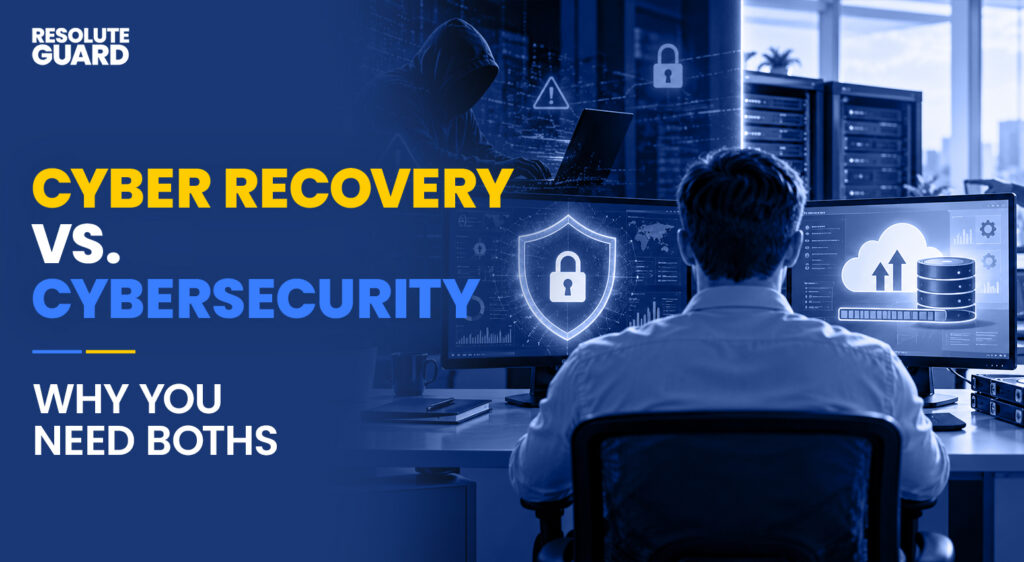
Cybersecurity is designed to stop threats before they cause damage. Cyber recovery is designed to help your organization restore systems, data, and operations after an incident succeeds. In a practical Cyber Recovery vs. Cybersecurity strategy, neither function replaces the other because even mature security programs cannot guarantee that every attack will be prevented.
East-West Traffic Monitoring: The Security Gap Most Organizations Miss
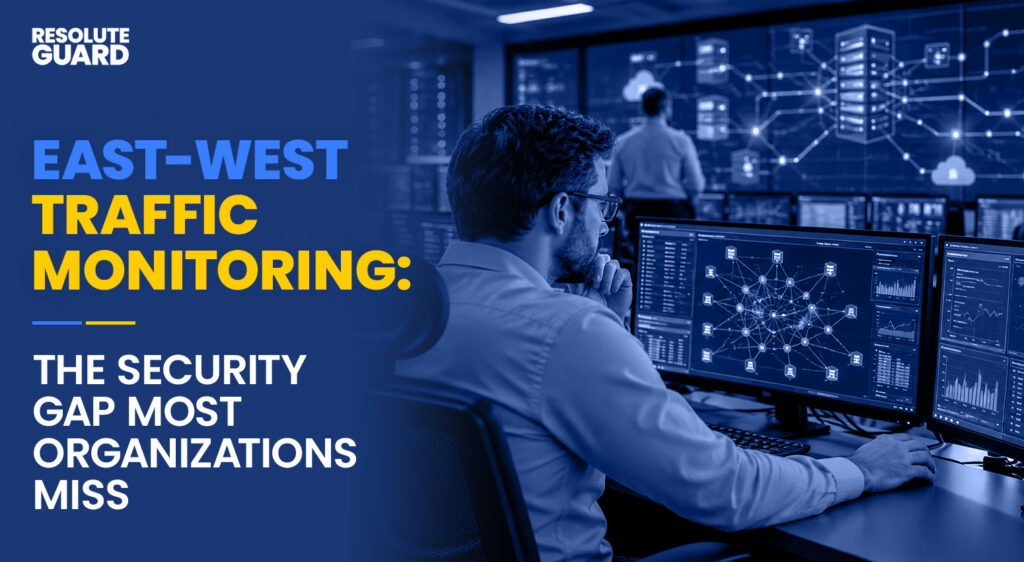
Modern cybersecurity programs spend enormous effort protecting the perimeter, yet many breaches become dangerous only after an attacker gets inside. East-West Traffic Monitoring focuses on the traffic moving between internal systems, users, workloads, applications, and network segments. That internal movement can reveal credential abuse, malware propagation, privilege escalation, reconnaissance, and attempts to reach sensitive assets before an incident becomes a major business disruption.
How Attackers Bypass Traditional Spam Filters
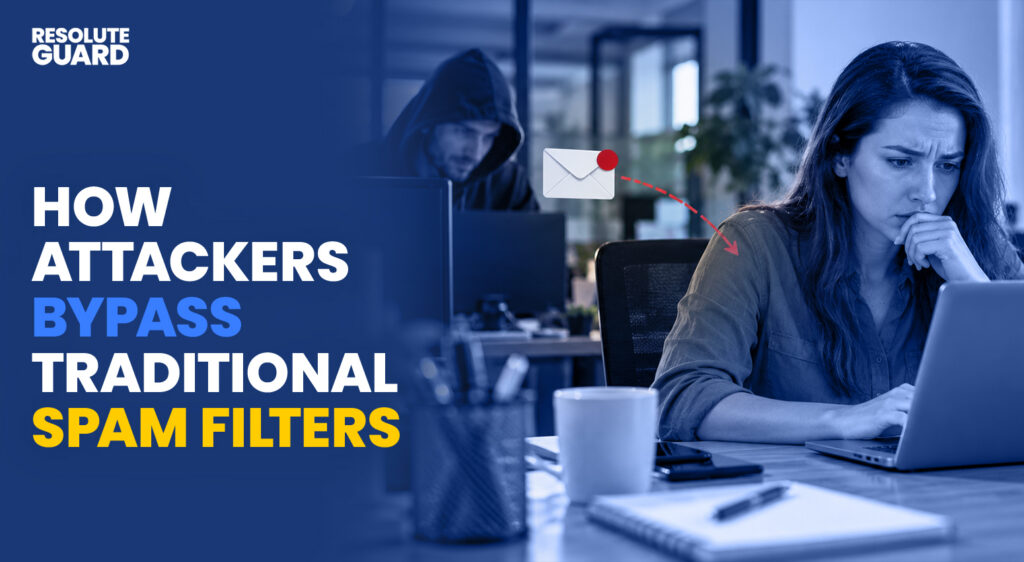
Email remains one of the most common ways cybercriminals target businesses. Although traditional spam filters block millions of unwanted messages, attackers continue to find weaknesses in email security systems. A message can appear professional, come from a trusted contact, and contain nothing that looks suspicious at first glance.
How School Districts Can Improve Cyber Resilience on Limited Budgets
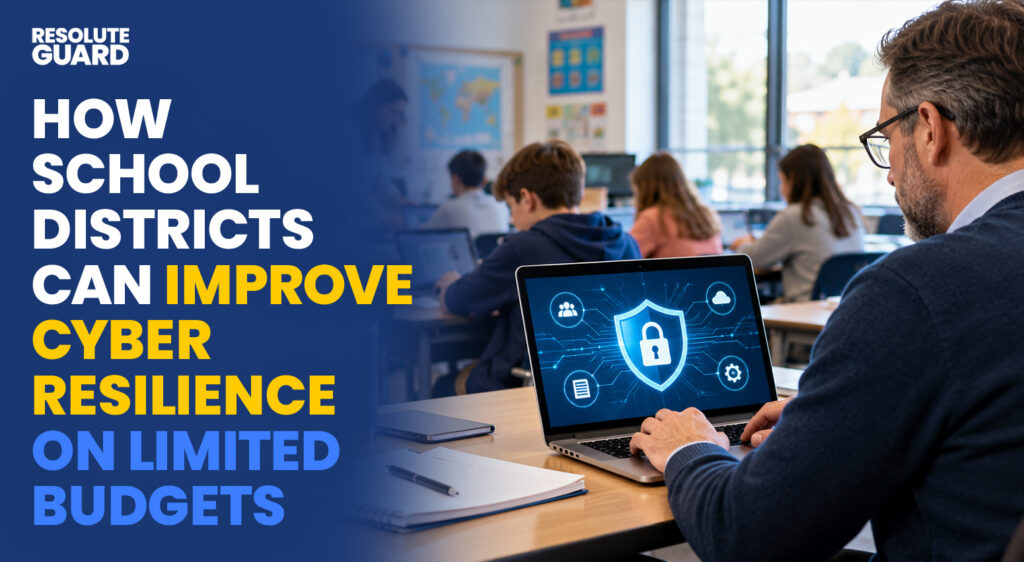
School districts face a difficult cybersecurity challenge: they must protect thousands of students, teachers, administrators, families, and staff while operating with limited technology budgets. At the same time, schools depend on cloud applications, student information systems, learning platforms, email, connected devices, and remote access every day. This creates a broad attack surface that cybercriminals can exploit.
Common Reasons Cyber Insurance Claims Get Denied

Cyber insurance can provide critical financial support after ransomware, data theft, business interruption, or another cyber event. Yet having a policy does not automatically mean every loss will be paid. Insurers review the policy language, the facts of the incident, the security controls represented during underwriting, and the way the organization responded after discovery. Understanding Why Cyber Insurance Claims Get Denied can help business leaders reduce surprises and strengthen their risk program.
Cybersecurity Risks Facing Financial Services in 2026
Financial institutions entered 2026 with more technology, more data, and more interconnected systems than ever before. Banks, credit unions, investment firms, insurers, payment providers, and fintech companies now depend on cloud platforms, APIs, artificial intelligence, mobile applications, third-party providers, and automated decision systems to deliver essential services.
Network Segmentation Explained: Limiting Damage During a Breach
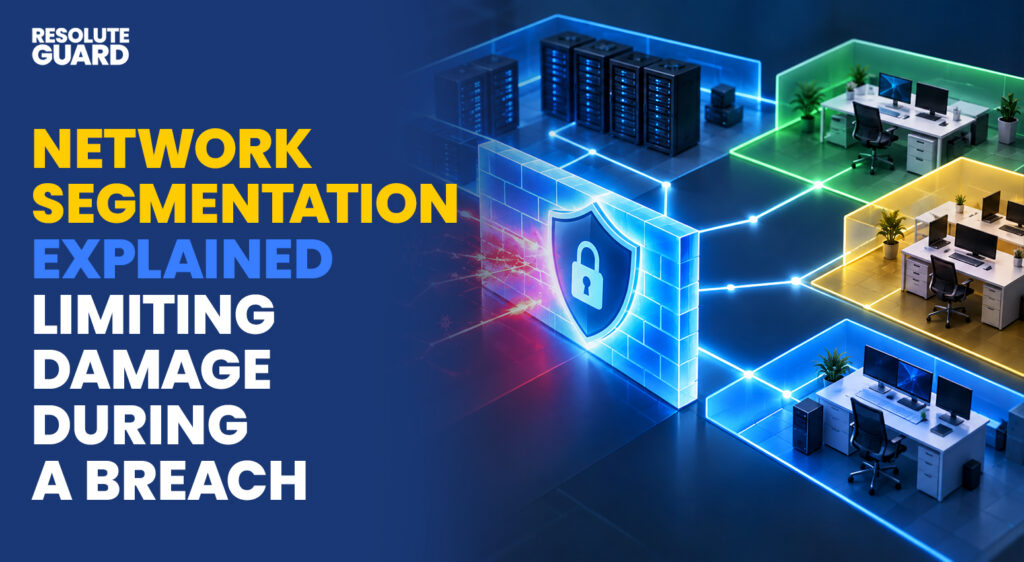
A cybersecurity breach rarely remains confined to the first compromised device. Once attackers gain an initial foothold, they often attempt to discover connected systems, steal credentials, access sensitive data, and move deeper into the environment. This is why Limiting Damage During a Breach requires more than perimeter security. Organizations need internal controls that restrict how far an attacker can travel after gaining access.
How Continuous Monitoring Can Lower Cyber Insurance Risk
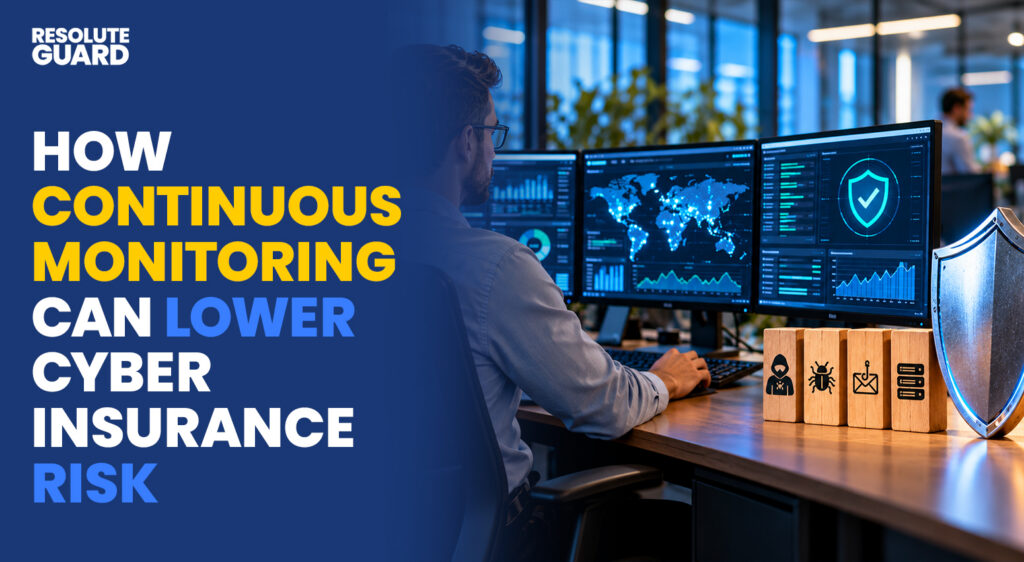
Cyber insurance has become an important part of modern risk management, but obtaining coverage is no longer as simple as completing an application and paying a premium. Insurers increasingly want evidence that an organization understands its cyber exposure and actively manages security weaknesses. Continuous Monitoring can help organizations maintain that visibility by identifying changes, vulnerabilities, suspicious activity, and control gaps before they become costly incidents.
Why Privileged Access Management (PAM) Is Becoming a Cybersecurity Requirement
In the modern digital environment, the security perimeter has shifted away from physical network boundaries toward identity and access controls. Cybercriminals no longer break through firewalls when they can simply log in using compromised credentials. Organizations face an increasing volume of identity-based cyberattacks, ransomware demands, and stringent compliance mandates. Implementing robust Privileged Access Management controls has transformed from an optional security best practice into a mandatory defensive requirement for businesses of all sizes.